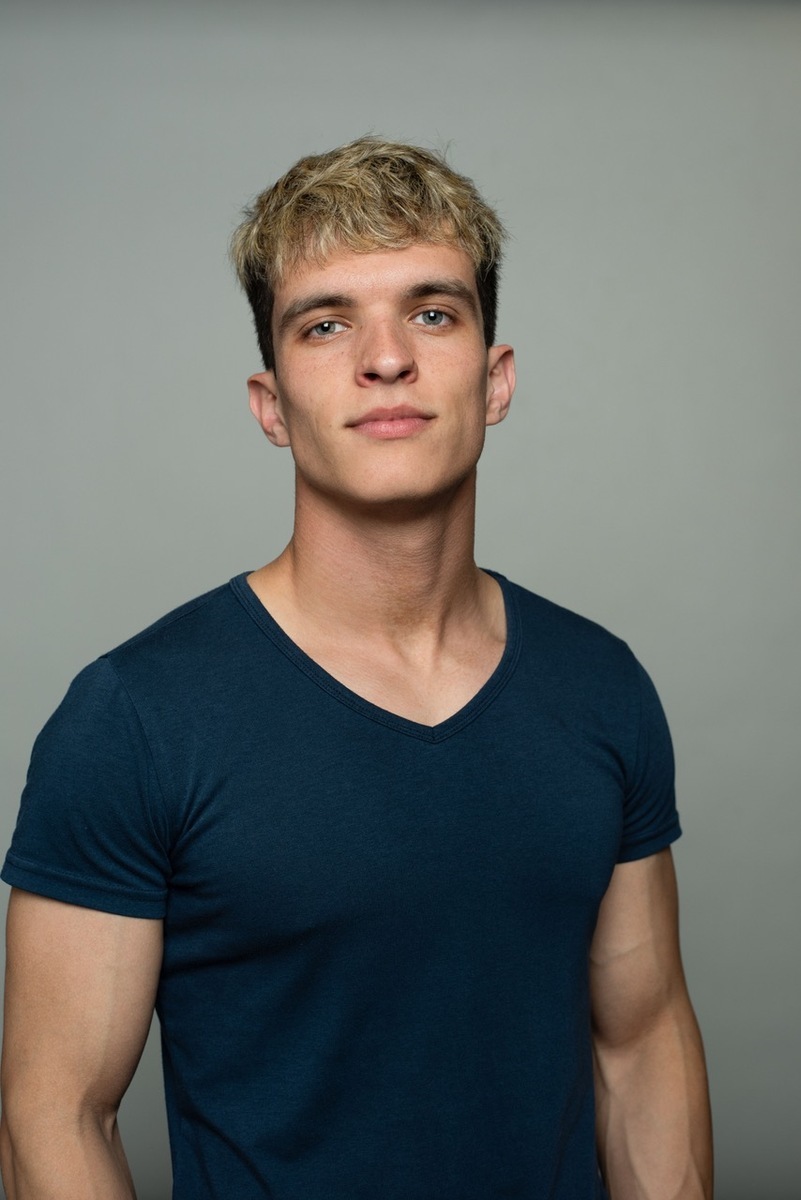
Francisco Martí Hernández
Francisco Martí (Yecla, Spain, 1996) is a Spanish pianist and répétiteur currently working as collaborative pianist and repertoire coach at the Koninklijk Conservatorium Brussel (Royal Conservatory of Brussels, Belgium), where he closely collaborates with Bachelor’s and Master’s students, particularly within the saxophone department. Alongside his institutional activity, he performs regularly in chamber music and ensemble projects throughout Europe.
He studied Piano Performance at the Escola Superior de Música de Catalunya (ESMUC) with Jean-François Dichamp, also receiving artistic guidance from pianist and musicologist Luca Chiantore. During the 2016/2017 academic year, he continued his studies in Stuttgart under the guidance of Nicolas Hodges through an Erasmus scholarship. He later pursued further studies at the Conservatorium van Amsterdam, specialising in advanced rhythm and contemporary performance practices.
Francisco Martí has developed a strong specialization in saxophone repertoire and contemporary music, collaborating with internationally renowned musicians such as Vincent David, Nicolas Arsenijevic, Simon Diricq or Arno Bornkamp among others. He has participated as accompanist and répétiteur in important artistic contexts including the Adolphe Sax International Competition in Belgium and the Académie Internationale de Saxophone d’Argenton-sur-Creuse in France.
As chamber musician, he forms the Syntagma Piano Duo together with pianist Carolina Santiago, performing regularly in festivals and institutions such as Gaudeamus Muziekweek, Orpheus Instituut, Universidade de Aveiro, and the Barcelona Modern International Composition Course. His artistic activity places a particular focus on contemporary and 21st-century repertoire, interdisciplinary collaboration, and the exploration of new artistic formats.
Besides his concert activity, Francisco Martí is regularly invited as collaborative pianist for academies, masterclasses, competitions, and higher education projects, where he is appreciated for his versatility, stylistic flexibility, and strong pedagogical sensitivity.
Kurs